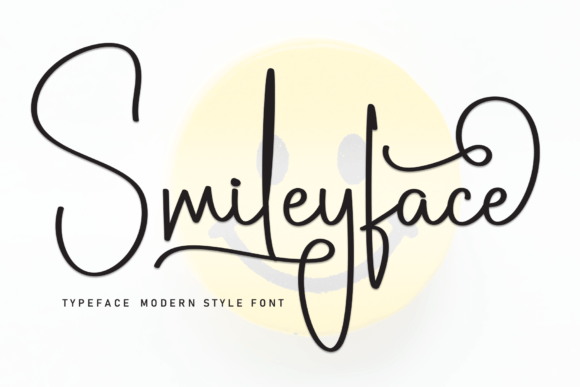
Smileyface Font: A Creative Consultant’s Take on Branding with Personality
A Fresh Look for a Small Café’s Menu Design
I recently worked with a local café looking to refresh their menu design. They wanted something warm, inviting, and just a little whimsical—something that matched their cozy atmosphere and handcrafted coffee drinks. After exploring several typefaces, we landed on Smileyface. It’s a handwritten font that carries a timeless charm, perfect for small businesses that want to feel approachable without sacrificing professionalism.
Smileyface has a soft, personal touch in every letter. It doesn’t feel mass-produced or overly stylized like some trend-driven fonts. Instead, it offers a sense of authenticity and care—qualities that resonate well with customers who appreciate small businesses. The café used it for menu headers and special item callouts, and the result was instantly more engaging than their previous, generic sans serif font.
Why Typography Matters for Brand Perception
Typography is often overlooked in small business branding, but it plays a huge role in how customers perceive your brand. The right font can make your materials feel cohesive, trustworthy, and memorable. Smileyface fits into the Script Amp category, meaning it’s expressive and ideal for short-form text like headlines, logos, and product names.
When I tested Smileyface across different customer-facing materials—like menu boards, thank-you cards, and Instagram story templates—it consistently delivered a polished, human feel. It’s not a font you’d want to use for long paragraphs or body text, but as a display font, it shines. It draws attention without being overwhelming, which is exactly what small businesses need when trying to stand out in a crowded market.
Real-World Uses for Smileyface in Branding
One of the best parts about Smileyface is its versatility across formats. I’ve used it for:
- Logo design – It gave a handmade soap brand a soft, trustworthy look that appealed to eco-conscious buyers.
- Product labels – A candle maker used it for jar labels and saw an uptick in photo-worthy packaging shares on social media.
- Thank-you cards – For a boutique owner, Smileyface made the notes feel more personal and heartfelt.
- Instagram templates – It paired beautifully with clean layouts, making promotional posts feel more organic and less salesy.
It’s also great for small labels and packaging design, especially when you want to convey warmth and authenticity. Just keep in mind that readability matters—especially on mobile screens or small stickers. Smileyface works best at medium to large sizes where its character can shine without becoming hard to read.
Pairing Smileyface with Other Fonts
One of the keys to using a decorative font like Smileyface effectively is pairing it with a more neutral typeface. I often recommend combining it with a clean sans serif like Montserrat or Lato for supporting text. This creates a nice visual hierarchy—Smileyface draws the eye, while the secondary font keeps the message clear and readable.
For a more elegant brand, pairing it with a serif font like Playfair Display can add a touch of sophistication. And if you’re going all-in on a handwritten aesthetic, you could pair it with another script font for a layered, editorial-style look. The key is balance—Smileyface should be the star of the show, not the entire cast.
What to Check Before Using Smileyface Commercially
If you’re planning to use Smileyface for your business, it’s important to verify the font’s licensing terms. Most premium fonts come with a commercial license, which means you can use them in product packaging, branding materials, and digital assets. But always double-check what’s included—especially if you’re creating templates or merchandise for resale.
Also, look at what font styles and file formats are included. Smileyface typically comes with multiple weights and alternates, which gives you more flexibility in design. Make sure it supports the languages you need, especially if your audience is multilingual or international. And if you’re designing for the web, confirm that the font works well in digital formats and loads efficiently on mobile devices.
Final Thoughts: A Font That Adds Heart to Branding
Smileyface isn’t just a font—it’s a tool for storytelling. It brings warmth and personality to branding materials in a way that feels genuine and memorable. Whether you’re updating your packaging, designing a new logo, or crafting social media graphics, Smileyface can help your small business look more polished and personable.
As a creative consultant, I recommend it for any small business owner looking to build a brand that feels human, not corporate. It’s a simple but powerful way to connect with your audience and stand out in a visually saturated world. When used thoughtfully, Smileyface can do more than just beautify your materials—it can help your brand feel like a friend.